Complete production capabilities, versatile materials and customizable shapes for diverse applications.
Product development process
01Collect customer application data
02Analyse vehicle operating conditions
03Match existing materials and run dynamic tests
04Recommend friction materials and steel plates
05Provide product samples
Essential factors in clutch cooling
Five key factors help ensure effective clutch cooling:
Correct oil supply system
Oil flow rate and distribution
Appropriate groove geometry
Compatible friction material
Effective heat dissipation
We select materials by analysing vehicle weight, speed and duty cycle to match the following operating conditions.
Operating condition
Low
Medium
High
Normal pressure · MPa
1
4
> 8
Energy absorption · J/cm²
50
100
> 160
Oil flow rate · l/min/cm²
0.003
0.009
> 0.018
Influence of oil
The type of oil has a significant effect on friction material performance. Oil flow rate is one of the key factors affecting friction material service life. HONVIGOR can design friction materials and groove patterns for the oil used in a specific application.
*Modified J-20C can reduce the static friction coefficient by 28%.
Static
Dynamic
Effect of different oils on the static friction coefficient
Why oil groove geometry matters
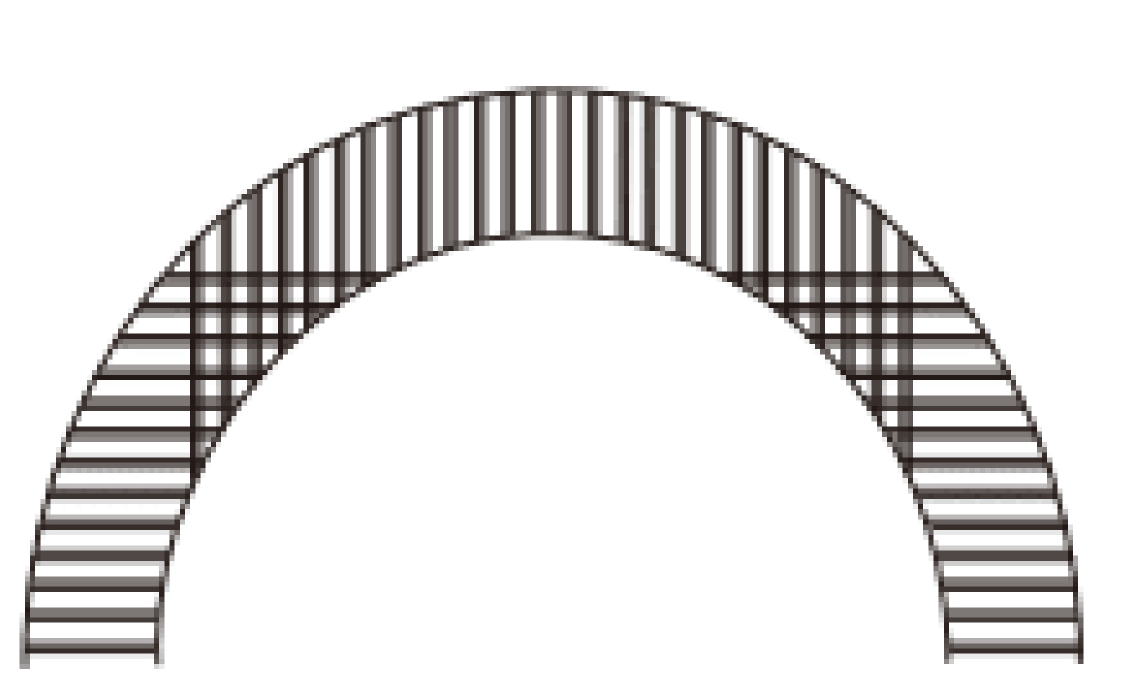
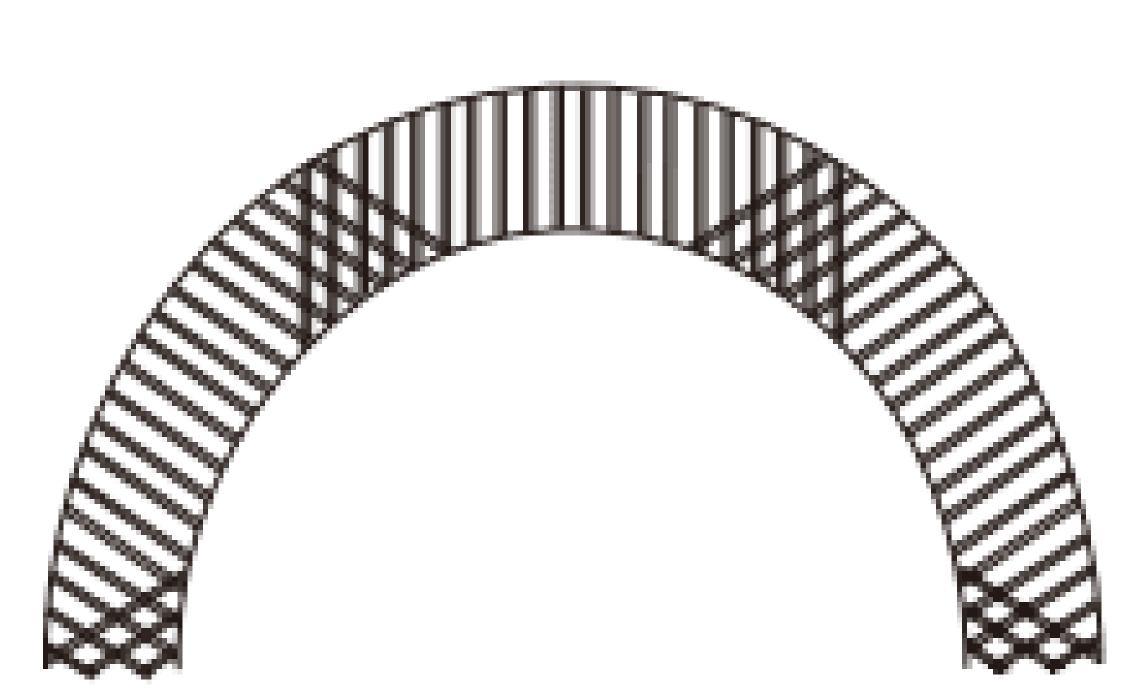
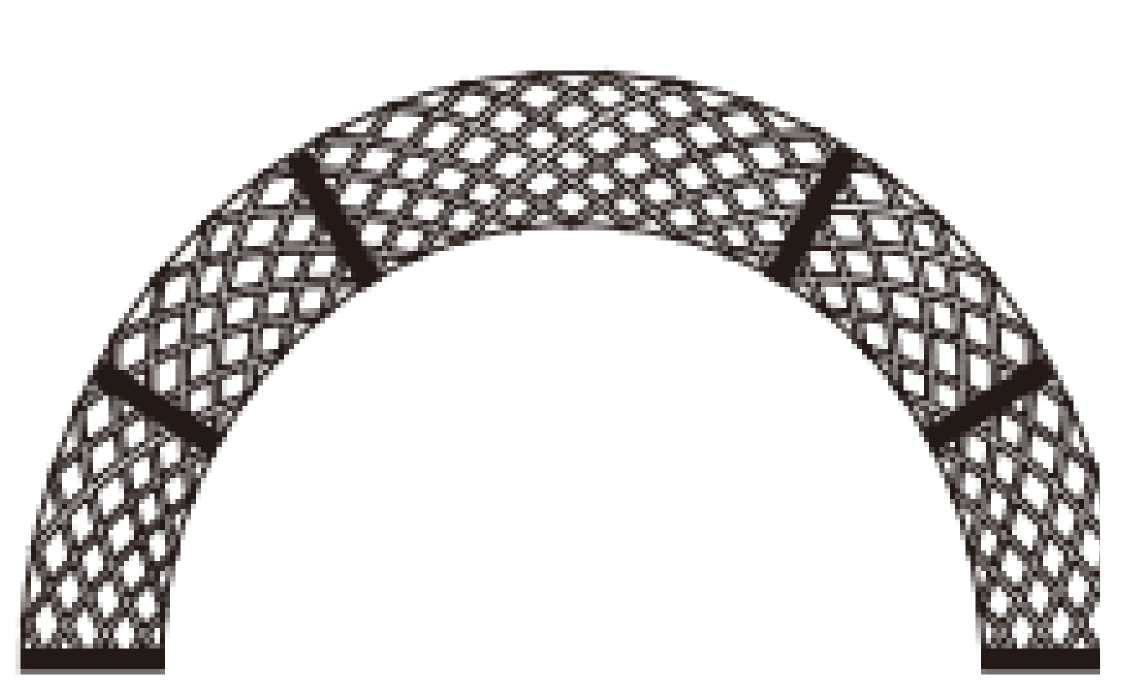
Groove geometry is essential for cooling the friction surface during engagement. Adequate cooling helps maintain a stable friction coefficient and prevents distortion of the clutch assembly. Cooling is necessary for efficient energy dissipation and even heat distribution across the mating steel plates. Different groove patterns affect parasitic losses, including drag torque. HONVIGOR engineers can select the most suitable groove pattern for your application.
Two parallel groovesThree parallel groovesRadial mesh grooves
Service process
01
Discuss requirements
Confirm drawings, samples and operating conditions
02
Select materials
Match copper, paper or iron based formulations
03
Produce samples
Develop tooling and test samples
04
Deliver production orders
Schedule production, quality control and logistics
Solutions
Wet brake solutions for construction machinery
Copper or iron based friction plates offer fast heat transfer, high temperature resistance and low wear for loader and excavator wet clutches.
Matching steel plates have tightly controlled flatness and hardness for smooth, judder-free engagement.
Service life validation supports different oils, high torque and frequent start-stop operation.
Marine and agricultural transmission solutions
Paper or copper based friction plates balance oil compatibility and a stable friction coefficient for marine gearboxes.
Clutch driven plate assemblies use customised riveting and damper structures based on flywheel and pressure plate dimensions.
Multi-plate clutch components for agricultural transmissions help reduce shift shock.
Motorcycle braking solutions
Semi-metallic or resin based brake pads provide responsive braking and low fade for scooters, motorcycles and three-wheelers.
Riveted steel backing supports structural strength under high temperature and high speed braking.
Small batches and multiple specifications are available for rapid aftermarket delivery.
OEM/ODM custom development
Manufacture from drawings or samples with custom outer diameter, inner diameter, thickness, grooves and chamfers.
Orders from 100 pieces, private label production, export orders and 13% VAT invoices.
Wet and dry friction systems
Property
Wet friction materials
Dry friction materials
Temperature limit
Limited by oil degradation
Up to material melting point
Static pressure
Up to 6.9 MPa
Up to 27.5 MPa
Friction coefficient
Approx. 0.1
Approx. 0.4
Heat dissipation
Depends on cooler and oil flow
Depends on cooler
*Wet friction systems offer long service life, contamination resistance, spark-free operation, smooth engagement and low noise, and can also function as retarders with high power capability.
Selection and operation guidance
1. Define the process before selecting equipment: material, thickness, sheet size and monthly output determine power, table layout and capacity. 2. Request trials with your own material; paper specifications alone cannot establish cutting or pickling results. 3. Prioritize batch consistency, including gas control, automatic nozzle changing, synchronized drives and concentration/temperature interlocks. 4. Plan acid mist collection, acid regeneration, wastewater treatment, environmental review and access/emergency-stop management alongside the line. 5. Obtain complete technical documents, process settings, wear-parts lists, maintenance intervals and acceptance standards.